

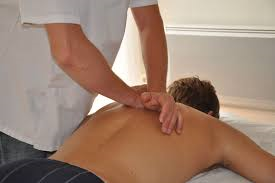
With your consent, you may need to remove some clothing from the area being examined and treated. If it is more comfortable please bring some shorts, loose top or sports clothing to change into.
At the first consultation, the osteopath will compile a full case history of your symptoms, as well as asking for information about your wider health and lifestyle. The osteopath may also observe you making some simple movements to help them make a diagnosis.
Osteopaths are trained to examine areas of the body using a highly-developed sense of touch, known as palpation, to determine conditions and identify the body’s points of weakness or excessive strain.
The osteopath will discuss with you the most appropriate treatment plan, estimating the likely number of sessions needed to treat your condition effectively. If the osteopath thinks that your condition is unlikely to respond to osteopathic treatment, you will be advised about how to seek further care. Osteopaths are skilled in diagnostic techniques and trained to identify when a patient needs to be referred to a Doctor.
Osteopathy is a primary care profession, focusing on the diagnosis, treatment, prevention and rehabilitation of primarily musculoskeletal disorders, and the effects of these conditions on patient’s general health.
Using many of the diagnostic procedures applied in conventional medical assessment, osteopaths seek to restore the optimal functioning of the body – where possible. Osteopathy is based on the principle that the body has the ability to heal, and osteopathic care focuses on strengthening the musculoskeletal systems to treat existing conditions and to prevent illness.
Osteopaths patient-centred approach to health and well-being means they consider symptoms in the context of the patient’s full medical history, as well as their lifestyle and personal circumstances. This holistic approach ensures that all treatment is tailored to the individual patient.
Osteopathy focuses on the diagnosis, management, treatment and prevention of musculoskeletal and other related disorders without the use of drugs or surgery. Commonly treated conditions include back and neck pain, postural problems, sporting injuries, muscle and joint deterioration, restricted mobility and occupational ill-health.
Osteopaths use palpation (an increased sense of touch) to find areas of weakness, tenderness, restriction or strain within your body’s muscles, ligaments and joints. Treatment involves a broad range of hands-on techniques including mobilisation and manipulation of spinal or peripheral joints. soft tissue remedial massage and stretching.
Treatment is not usually painful but it is possible you may feel some soreness, stiffness or an increase in symptoms in the first 24-48 after treatment, particularly if you have a painful or inflamed injury. If you feel pain during or after treatment, please tell / contact your osteopath.
You are welcome to bring a chaperone, a family member or friend with you to your appointment.
In general, the first treatment lasts about 60 minutes, and subsequent treatments around half an hour. Your first appointment is usually longer to allow for a full case history to be taken.
There is a policy that the full fee is charged if the patient fails to attend or gives less than 24 hours notice of cancellation. Clearly there are some genuine reasons, beyond forgetfulness and poor timing, why attendance may not be possible, please communicate this with your osteopath if that is the case.
Many private health insurance policies provide cover for osteopathic treatment. It may be possible to claim for a course of treatment but you should check in advance with your insurance company before seeking osteopathic treatment, in order to confirm the available level of cover and whether you will need to have a referral from your GP or a specialist.
Most patients self-refer to an osteopath for treatment. Although referral by your Dr is not necessary, patients are encouraged to keep their Dr informed.
All osteopaths must be registered with the General Osteopathic Council. Osteopaths should have a I’m Registered logo on their website with their registration number.
Undergraduate students follow a four or five-year degree course combining academic and clinical work. Qualification generally takes the form of a bachelor’s degree in osteopathy BSc (Hons) or a Master’s degree in osteopathy MOst.
Osteopaths are required to update their training throughout their working lives. They must complete at least 30 hours of Continuous Professional Development per year.
The standards of osteopathic training and practice are maintained and developed by the General Osteopathic Council, the profession’s statutory regulator established under the Osteopaths Act 1993.
If you have a concern or complaint about your osteopath or the treatment you have received then please inform your osteopath as soon as possible. Please ask your osteopath for further information about their complaint’s procedure. Your complaint will be treated seriously, in a timely manner and clinical practice will be reviewed and modified wherever necessary.
