

Osteopathy is a primary health care profession, focusing on the diagnosis, treatment, prevention and rehabilitation of musculoskeletal disorders, and the effects of these conditions on patients general health. Osteopathy is a regulated profession and all osteopaths undertake a 4-year degree programme.
Using many of the diagnostic procedures applied in conventional medical assessment, osteopaths seek to restore the optimal functioning of the body – where possible.
Osteopathy is based on the principle that the body has the ability to heal, and osteopathic care focuses on strengthening the musculoskeletal systems to treat existing conditions and to prevent illness.
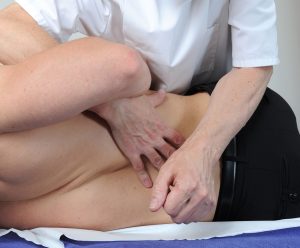
Osteopaths use palpation (an increased sense of touch) to find areas of weakness, tenderness, restriction or strain within your body’s muscles, ligaments and joints. Treatment involves a broad range of hands-on techniques including mobilisation and manipulation of spinal or peripheral joints, soft tissue massage and stretching.
Osteopaths patient-centred approach to health and well-being means they consider symptoms in the context of the patient’s full medical history, as well as their lifestyle and personal circumstances. This holistic approach ensures that all treatment is tailored to the individual patient.
You may also be given advice on self-help exercises and stretches to aid your recovery and help prevent symptoms from returning or getting worse.
Treatment is not usually painful but it is possible you may feel some soreness or stiffness in the first 24-48 after treatment, particularly if you have a painful or inflamed injury. If you feel pain during or after treatment, please tell your osteopath.
If you have any questions regarding osteopathy or are unsure whether osteopathic treatment is the right therapy for you and your specific condition, please contact Philip for a free telephone consultation and he will be happy to advise you and answer any questions you may have.
First Appointment

The initial consultation involves going through a medical case history, you will be asked about your current pain or injury, your general health and any other medical care you are receiving. This is followed by a physical and movement examination.
An explanation / diagnosis will be provided and if osteopathic treatment is suitable for your condition a treatment plan outlined.
Please bring details of any relevant medical information with you in regards to your condition e.g. x-ray / MRI findings, details of any medication you are taking, details of any operations, accidents, major injuries.
Note
With your consent, you may need to remove some clothing from the area being examined. Please bring some loose clothing to change into i.e. shorts, loose top. You are welcome to bring a chaperone with you to your appointment, a family member or friend.
Common Conditions Treated
- General, acute & chronic backpain
- Neuraliga (nerve pain) e.g. sciatica
- Neck pain / stiffness
- Frozen shoulder, tennis elbow, runner’s knee
- Headaches / migraine prevention
- Arthritic & Rheumatic pain
- Joint pains e.g. hip, ankle, wrist
- Sports related injuries
- Tension & inability to relax
- Muscle spasms & cramp
- Postural related problems
- Digestive & circulatory problems
Common Benefits of Treatment
- Reduces pain and swelling
- Helps with tissue recovery after injury
- Reduces stress/anxiety, aids relaxation
- Helps to improve sports performance
- Improves flexibility in joints and muscles
- Reduces muscle tension
- Improves circulation of blood and lymph
- Boosts the immune system
- Helps to prevent injury/improves posture
